
How to Find Your Audience as an Independent UK Musician
You can write the best song of your year, upload it on a Friday and hear almost nothing back. That is rarely a verdict on the music. More often it means nobody has been given a reason to care yet. Finding an audience is a separate craft from writing, and it rewards patience, specificity and a fair bit of admin. Here is how unsigned artists around the UK tend to build one: one playlist pitch, one post and one local gig at a time.
Get Specific About Who You Are For
"Music lovers" is not an audience. Neither is "anyone who likes a good tune". The acts that build momentum can usually describe themselves in a sentence: fuzzy guitar pop from south London with a brass section, or sparse piano songs about growing up in a coastal town. That clarity is not a cage. It gives playlist curators, promoters and local journalists a way to file you, and a reason to write about you.
Look at who already turns up. Ten regulars at a pub gig is a real audience. What else do they listen to? Where do they drink? Which accounts do they follow? Write those things down and you have the beginnings of both a plan and a target for everything that follows.
Playlists: Pitch Properly, Then Work Down the Ladder
Streaming playlists are not the whole game, but they are a decent front door. Start with the tools you already have. Spotify for Artists and similar dashboards let you pitch a release to editorial teams before it goes live, so submit as early as the platform allows, ideally a few weeks ahead. Write the pitch like a short press release: genre, mood, one or two honest reference points, and the story behind the song. Do not describe your own music as genre-defying and leave it there.
Once the official pitch is in, work down the ladder:
- Independent curators who run playlists in your genre, contacted personally and without a fee.
- Blogs and small magazines that already cover artists a step or two ahead of you.
- Community and student radio, plus BBC Introducing through its uploader.
- Your own playlist, with your track sitting next to music you genuinely sound like, shared where people can find it.
If someone asks for money to guarantee playlist placement, walk away. Paid placement schemes rarely deliver listeners who stick, and buying streams puts your account at risk. A curator who likes your single will usually add it for nothing.
Social Media Without Burning Out
Pick one platform where your listeners actually spend time, and do that one properly. Half-hearted accounts on four networks will not beat a single account you post to well. Video of you playing is still the strongest format: fifteen to thirty seconds of a hook, filmed on a phone, with the sound captured as cleanly as you can manage. Rehearsal rooms, kitchen tables and venue stairwells all work.
Two or three posts a week is plenty if they are any good. Show the process, not just the product: the scrapped chorus, the pedal that keeps cutting out on the third verse, the drive to a gig in Hull. Reply to comments. When somebody shares your track, thank them and remember their name. Those people become your first hundred fans.
Local Gigs: Build a Circuit, Not a One-Off
A single support slot in your home town is a nice night out. A repeatable circuit of five towns is a career. Start by making yourself easy to book. Email promoters and small venues with a short message: who you are, a link, a date you can play, and how many people you can realistically bring. Be honest about that last number. Promising forty and delivering eight is how you stop being asked back.
Then trade. Find a band of a similar size from a neighbouring city and put on a gig together, each of you bringing your own crowd. Small arts centres, record shops, community halls and grassroots venues of a hundred or so capacity are often glad of a well-organised night. Turn up early, soundcheck quickly, thank the sound engineer by name, and send a follow-up email with photos the next day. That email is why you get the next gig.
Turn Casual Listeners Into an Actual List
Followers are rented; an email list is yours. Put a QR code on a card at every gig, offer a free unreleased track for signing up, and ask the room to scan it while you are still on stage. Send something once a month: where you are playing, what you have made, one link. No hard sell. Twenty people who open every email are worth more than two thousand who scroll past.
Measure a Few Things, Ignore the Rest
Streams are a vanity number on their own. Watch for saves, follows and repeat listeners, because those show that a song is landing. Track how many people join the list, how many tickets you sell, and which towns ask you back. Ignore the rest for now, particularly the comparison game. Someone else's viral clip says nothing about your chorus.
A Rhythm You Can Actually Keep
Audience building falls apart when it becomes a second full-time job. Set a rhythm that survives a busy week:
- One piece of content, filmed in ten minutes.
- One message to a promoter, curator or radio show.
- One hour of admin: updating gig dates, mailing the list, chasing invoices.
- One gig a month if you can manage it, even a small one.
Do that for a year and the numbers move. You will know more promoters, have a list of people who turn up, and release days that do not feel like shouting into an empty room. Keep the music first, keep the admin boring and regular, and the audience will catch up.
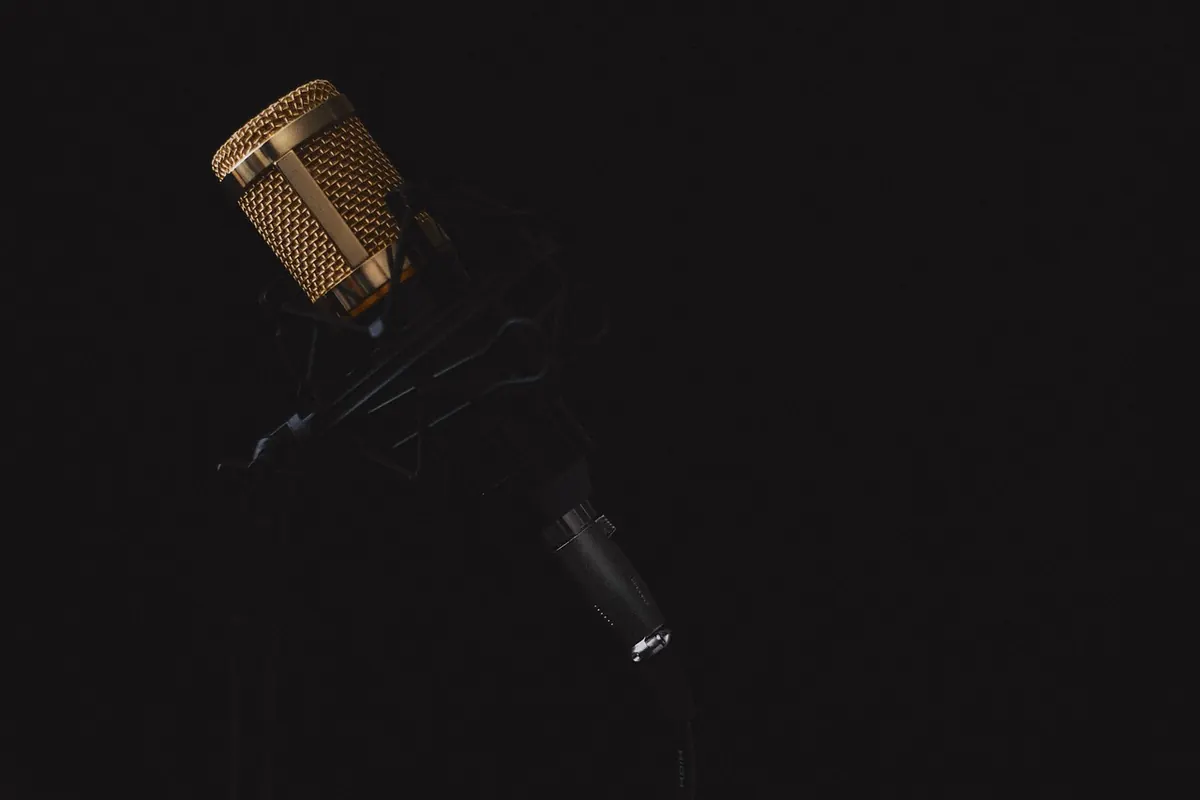
Photo: Pexels / Pixabay

You Might Also Like
A practical seasonal checklist for festival sets: picking material by slot, weatherproofing gear, surviving travel and reading a rolling crowd.
Two-step drums, chopped vocals and sub-heavy bass are filling clubs again. A look at why UK garage returned, who is pushing it, and how to make it.